
To celebrate our fifteenth wedding anniversary, we visited Mexico City for an 11 day vacation (without kids!). We have visited the city several times before, so we didn’t plan on hitting the tourist trail too hard while in the city.
On most days we spent a few hours sightseeing and many more hours relaxing, dining, and indulging in other forms of laziness. Some days were more successfully lazy than others, but overall we took it easy.
While in the city, we visited the museums and colonial buildings in the historic center of town, toured a half dozen districts on the edge of town, and took a day trip to the pyramids at Teotihuacan.
By dinnertime each day we were done playing tourists. We eased into the evening with a meal at a local restaurant or we grabbed some take out so we could enjoy the view from our tenth floor apartment’s dinner table overlooking the Plaza Alameda and the historic downtown center.
This trip report is a big one, so let me offer a brief note on organization. The first several sections in this article cover all the places we visited. After that are sections on the logistics of our trip – lodging, food, transportation, safety, and budget. I close the article with some parting thoughts on Mexico City.
The Historic Center of Mexico City
We stayed right in the middle of the historic center of Mexico City near most of the main tourist attractions. For first time visitors to Mexico City, it would be easy to spend several days or a week exploring the historic center’s sights, museums, and old colonial government buildings from morning to night.
Since we’ve already visited most of the places in downtown on past trips, we re-visited a few favorites and found several places we missed on previous trips.

The view from Finca Don Porfirio Cafe, the open air rooftop coffee shop in the Sears building, was so nice, we visited it twice! If we had found this place earlier in the vacation we might have gone back even more! Great for people-watching among your fellow coffee connoisseurs and the groundlings eight stories below you. The coffee shop also offers complimentary entertainment in the form of rooftop pigeons that stroll along the balcony railing like tightrope walkers (with wings).
While we were people watching, a group of street performers entered the plaza in front of the Palacio de Bellas Artes and began an impromptu performance of singing and dancing.

The Postal Museum was totally free. I enjoyed the old photos and artifacts of various elements of the postal service and some coverage of the historic Post Office building itself. The 100+ year old elevator alone warrants a visit.

The Mexican National Army Museum was also free. It’s rather small but well presented. If you like sweet guns, swords, and cannons as much as I do then you will love it.

On every previous trip to Mexico we have visited the Zocalo plaza, the symbolic heart of Mexico City (and the country as a whole). In all of those visits we have never visited the Antiguo Palacio del Ayuntamiento, the Old City Hall, on the south side of the plaza. It’s a very impressive architectural masterpiece and the free tour includes a walk through several rooms filled with portraits of past civic, religious, and military leaders.

While in the Zocalo Plaza, we skipped the tour of the National Palace and the Metropolitan Cathedral, since we’ve visited them several times before. But if you find yourself at the Zocalo, the cathedral and palace are both must-sees. In the National Palace you’ll find a Diego Rivera mural that lines the grand staircase to the second floor balcony surrounding the main courtyard (not shown in pictures here).
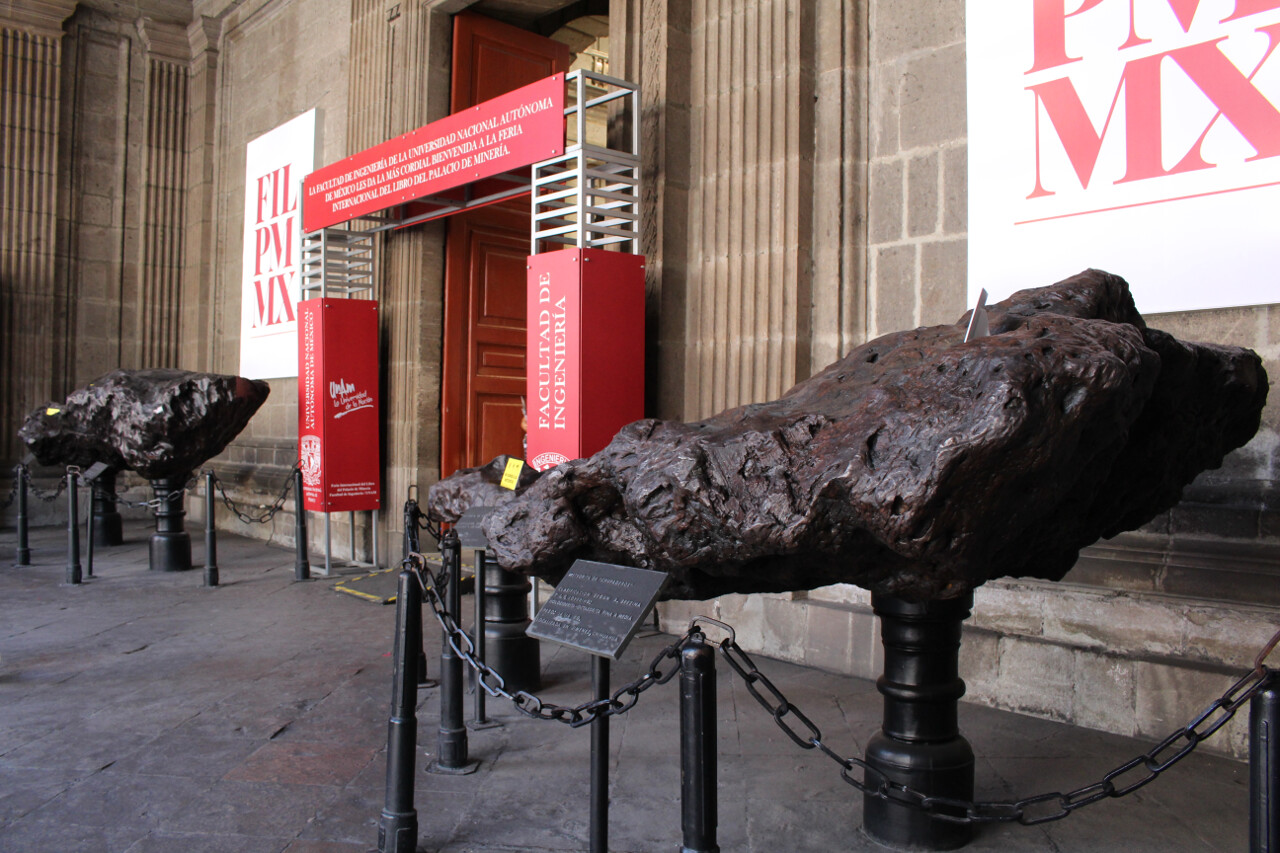
Fun travel story: we showed up to the Palacio de Mineria hoping to check out the free museum inside which I couldn’t find much info about online. But it’s about mining or civil engineering so, hey, how bad could it be?
We show up and there are door attendants telling us we need to get in line and buy tickets. Okay, sure, it’s only $0.75 for each of us. Worth a gamble given the low price. Maybe the museum will be epic!!
We wait in line briefly and purchase our admission tickets. As soon as we walk in the doors, doubt struck me hard. Did we just buy $0.75 tickets to… a college book fair?
Yes, we did. The entirety of the Mining Palace was filled with the latest college textbooks and other works of fiction and non-fiction. At least the inside of the building was really amazing.
We eventually found the “museum” (not pictured) that was vaguely about animals or ecology. Or something.
It was in a small hallway connecting two larger rooms and included a stuffed fox and some smaller stuffed forest animals. After two minutes of perusing the “collection”, we determined we got at least seventy five cents worth of value and decided to move on. Plenty of other free museums to visit elsewhere in downtown!
The Mining Palace did have a cool (free) exhibit of several massive asteroids just outside the front doors.


On a past trip to Guanajuato, Mexico, we stopped by the Museo Casa Diego Rivera where Diego Rivera was born and raised.

Pre-Hispanic Architectural Wonders of Teotihuacan Pyramids and Tlatelolco Temples
Every time we go to Mexico City we make sure to visit the pyramids at Teotihuacan. The Pyramid of the Sun is one of the largest pyramids in the world.
To get there, take the subway to the Northern Bus Station. Once inside the station, go to the far left and find the signs for buses to “Pyramids” or Teotihuacan. It’s about an hour by bus from Mexico City’s Northern Bus Station.
Plan on a lot of walking. It’s at least three miles to walk the full circuit of Teotihuacan’s pyramids and temples plus the on-site museum. There are several dozen smaller pyramids and platforms lining the central Avenue of the Dead.

Closer to downtown Mexico City are the pyramids and ruins at the archaeological site of Tlatelolco. The site is also called the Plaza de las Tres Culturas, or the Plaza of Three Cultures because of the presence of pre-Columbian indigenous buildings, Spanish Colonial buildings, and modern day office towers and apartment blocks.
Tlatelolco is a short five or ten minute electrified bus ride north from the historic center of town. We spent a couple of hours to see everything. Admission is free and the archaeological site includes a small museum.


Touring A Billionaire’s Private Art Collection in Polanco
During most of the trip we spent a lot of time exploring the older colonial historic center of town and several outlying areas full of pre-colonial and colonial era history. We took a break from the living history lesson to visit the swanky business district of Polanco.
The main objective was a visit to the free Museo Soumaya art museum. The shiny parabolic shaped structure houses the private art collection of the Mexican billionaire Carlos Slim.
The collection was impressive. It included a lot of religious artwork, an extensive gold and silver coin collection, carved ivory statues from Asia, and an entire floor devoted to sculptures. Enjoy the journey through the museum as you work your way up floor by floor on the helical shaped ramp circumscribing the building.
Next door to the art museum is an office tower and shopping center also owned by Carlos Slim. We enjoyed a lunch of shredded chicken empanadas and fish tacos at the mall’s food court as we looked out the window at the luxury storefronts lining the street. This part of town feels very different from most of the rest of the city.


Canals of Xochimilco
Mexico City was founded in the middle of a lake. The indigenous people built “chinampas” or raised islands where they established houses and farms. Between the islands ran a system of causeways and canals. The watery origins of Mexico City were evident all around the city as recently as 100 years ago when the shores of the lake were just a few miles from the center of town.
In fact, they used to transport goods to the main downtown market by boat!
As development of the city unfolded at an accelerating pace during the twentieth century, most of the canals and islands merged into a mesh of streets, parks, and buildings.
But not everywhere. The canals of Xochimilco on the far southern edge of town are a living reminder of the original geography of the region. Canals stretch for dozens of miles.
We took a one hour private tour by boat through the main canal. The boat captain slowly poled the boat forward with a long wooden stick, so we know the canal couldn’t have been more than four or five feet deep in most places.
We had avoided Xochimilco on past visits since we read it was a tourist trap full of mosquitoes and stinking of sewage (almost like the Venice of Mexico!). This perception was partially accurate.
Yes, it’s kind of a tourist trap as you’ll be bombarded by dozens of smaller boats filled with food vendors, mariachi bands selling songs a la carte, and souvenirs of all shapes and sizes.

The good news is you can turn down all these offers with a brief “no gracias” and a smile, but I admit it does break the spell of meandering down a canal in your private waterborne chariot when you spend more time saying “no gracias” than you do relaxing and enjoying the passing scenery.
As far as the mosquitoes and sewage stink, we detected neither of those maladies. It was the dry season in February when we visited, so perhaps that helped.
All in all, it was an enjoyable experience on the canals but I don’t think I would do it again unless we end up visiting Mexico City with our kids in the future.
A note on price. The rack rate for a two hour tour is 500 pesos per hour for a whole boat that can hold around 20 people. At 20 pesos per US dollar, that’s $25 per hour or $50 for a two hour tour. There is no official discount for smaller groups, but after avoiding the aggressive salesman who latched onto me immediately upon arriving at the pier, eventually he negotiated himself down to $15 for a one hour tour. My main negotiating tactic was running away from him repeatedly and saying “no”.
On the weekends you can ride the public “colectivo” boats for a buck or two each way for a 45 minute ride along the canals.
Coyoacan Day Trip
Coyoacan was a nice day trip from the core of Mexico City. It’s only 20-30 minutes south of downtown and easy to access by subway if you are inclined to do so. We took a self guided walking tour and spent several hours strolling the streets and plazas of Coyoacan.
Coyoacan was the original colonial capital of Mexico for a few years in the early 1500’s until the conquistadors captured Tenochtitlan (the temple complex at the heart of modern day Mexico City). Today, Coyoacan feels like a wealthier but quieter counterpart to Mexico City.
During our walking tour, we stopped at a cafe for some coffee then headed to the market where we ate a bite or two at three different food stalls.
Afterward we stretched our legs in the main plaza for a bit. Then we toured the 500 year old church on the east side of the main plaza.
Toward the end of our walking tour we found a street vendor selling fresh coconut juice. We got a bag full of coconut juice with a straw in it plus he carved the meat out of the coconut and bagged it up for us too. All for $2.
If you’re in a rush, you could visit Coyoacan and Xochimilco on the same day since they are somewhat near each other on the south side of town. We opted to take it really slow and visit each place on different days.

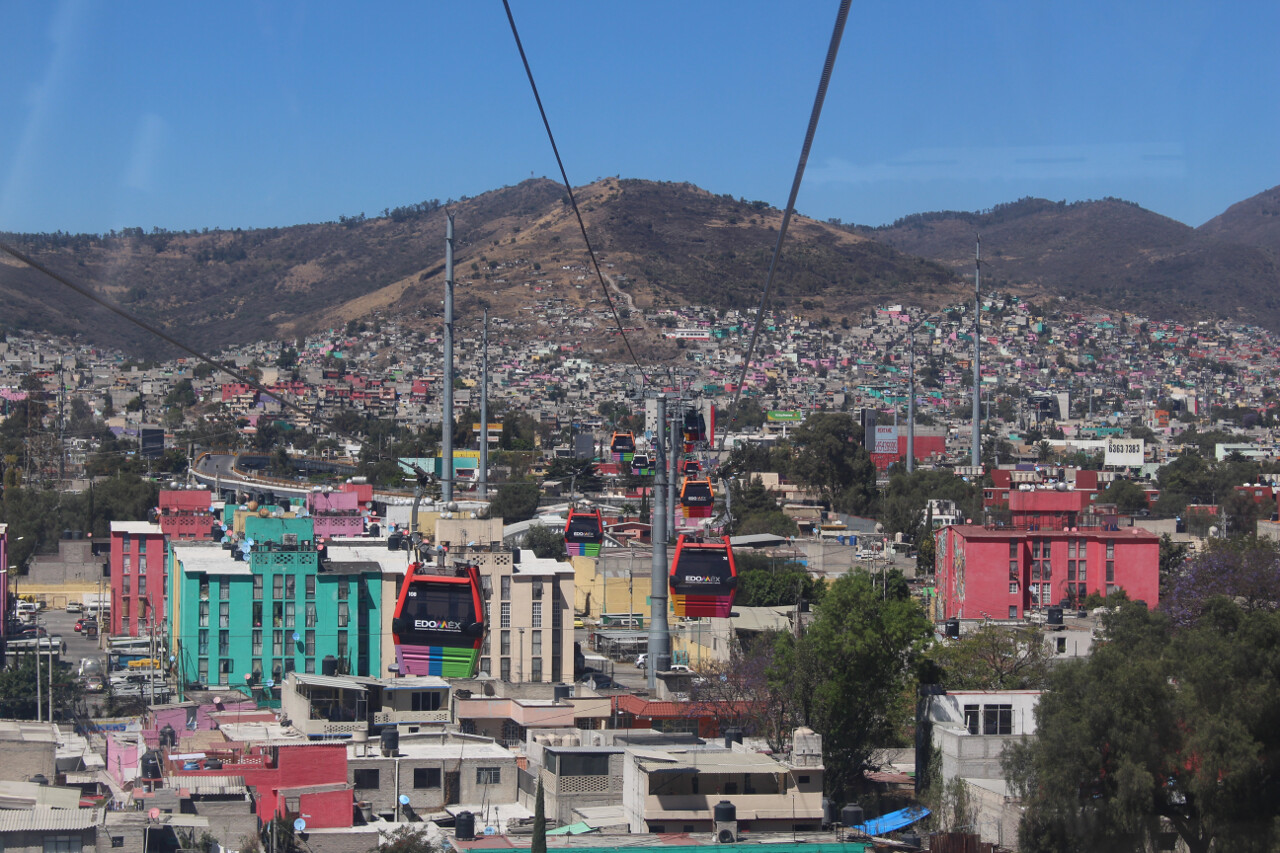
Mexicable Cable Cars in Ecatepec
Built in 2016, the cable car system operated by Mexicable wasn’t yet complete when we last visited Mexico City.
The Mexicable system includes seven different stations that stretch toward the western foothills about three miles from the starting point. The entire journey from one end to the other takes about 20 minutes.
The system is designed for transportation and not sightseeing but it certainly serves both purposes. We didn’t see any obvious tourists while we were there but there is nothing preventing a purely touristic experience.
The fare to ride the cable car is $0.35 per person plus the cost of a $0.50 reloadable transit card. If you want to do a round trip for that price, you don’t have to exit the station at the far end – just hop back on the next car.
The Mexicable system is pretty far from the historic center of town but possible to reach by transit. We took the subway to the Indios Verdes subway stop. Once there, we exited at Platform B (“Anden B”) Navigation tip: look at the routing signs with various combos of ABCDEFG on the ceiling of the subway station. Go toward the exit with a B on it.
Once outside at Platform B (which isn’t marked anywhere above ground as far as I could tell), go slightly to the south and look for the Mexibuses lined up. Find one that says Mexicable and for $0.15 the bus will take you on a 20 minute non-stop express ride to the Mexicable cable cars.
If you’re feeling lazy, then fork over the $8-10 for a 45 to 60 minute Uber.
Central de Abastos Market in Iztapalapa
Mexico City has about 22 million people in the greater urban area and 80% of the food that they eat flows through the Central de Abastos Market. On any given day, 500,000 residents of the city make the journey to shop at the Central Park-sized market.
One section of the market that focuses on fresh fruits and vegetables consists of 32 connected Walmart-sized buildings selling all varieties of produce imaginable.
They offer a free guided tour (possibly in Spanish only) if you contact them several days ahead of time, however I didn’t realize that was an option until 12 hours before we visited the market.
Planning a trip to the Central de Abastos is intimidating given the size. We ended up walking in one side of the fruit and veggie section, where we picked up mangoes, papaya, lime, and watermelon. Then we continued our journey, working our way east and north until we once again saw daylight.
Then we headed north to the flower market – another complex of around six Superwalmart-size buildings. We arrived around 3:30 or 4:00 pm and by this time most of the flower market stalls were shuttered for the day.
Heading west, we visited the non-perishable food and snack section (another eight Superwalmarts) and grabbed a bag of spicy cheese puffs (sold in sizes from a quarter kilo up to too-big-to-fit-in-your-trunk).


Prior to visiting the Central de Abastos Market, we visited the nearby Cerro Estrella National Park (“Star Hill National Park”) where we walked up the steep trail for about a mile to a nice scenic overlook and a small pyramid at the top. At the base of the hill is the Nuevo Fuego museum offering a small exhibit on the pre-Columbian inhabitants of the Mexico City region.
Lodging for 11 nights in Mexico City with Airbnb
We booked an 11 night stay in an apartment on Airbnb for $748, or $68 per night. Cheaper Airbnbs were available for around $35-50 per night but most didn’t come with a view and some were located further away from the central part of the city.
Our apartment was centrally located on Avenida Juarez in the historic center of Mexico City. Looking out the front and side windows, we enjoyed a bird’s eye view of the Plaza Alameda park and the Palacio de Bellas Artes. We were a few blocks away from three subway lines and several major city bus routes. Restaurants lined the streets around our apartment, so we never had to venture far to find cheap, fast and delicious street food or a nicer establishment with seating and table service.


This apartment was awesome. Incredibly clean and bright with plenty of space for the two of us. The basic but well appointed kitchen worked perfectly for the one meal we cooked from scratch. A spacious bathroom included a large shower with nice linens. The bed was surprisingly soft and comfortable.
The hosts were very responsive in answering questions and general communications, including notifying us of a power outage at midnight (that resolved itself within a few hours). The hosts even coordinated a time for the house cleaner to come mid-stay to change the linens and clean throughout the entire apartment. For free!


The only real complaint with the apartment was the noise level. We were a block away from two night clubs and they played music late into the night every weekend. During the week it was much quieter other than the occasional protest marching down the main avenue during rush hour. The low rumble of cars and trucks were replaced with the chants, bullhorns, and speeches of displeased citizens. The crowds of tourists walking up and down the street in front of our house created quite a bit of noise too.
Then there were the out of tune organ grinders playing the same few songs on endless repeat over and over and over and… well, you get the point. They don’t call them “grinders” for nothing. With the windows closed the noise levels were much more manageable. Definitely a taste of big city life from an auditory perspective.
Every time we travel we save money and get to stay in nicer places thanks to Airbnb. Save $40 off your first Airbnb stay with my airbnb referral link.

Food in Mexico City
Food in Mexico was very inexpensive. We ate out for almost every meal. Prices start at $1-2 per meal for street food. At a sit down restaurant we typically paid $2.50 to $7 per meal which often included a beer and a bottle of water or juice. The most expensive restaurant we visited was a whopping $8.50 each!
We spent an average of $9 per person per day on dining out plus about $40 on groceries in total.
The grocery tab included bottled water at a cost of roughly $0.50 per gallon. “Don’t drink the water” they always say. I followed that advice because I couldn’t find anything to disprove its validity.

I speak Spanish well enough to navigate the Spanish-only menus and place my order in any restaurant. If we stuck to restaurants that offered English language menus then we probably would have paid about twice as much on dining during this trip.
One thing I didn’t try but wanted to was Uber Eats and other delivery services. I’ve never used Uber Eats before though I have heard it’s very affordable and convenient in Mexico. With so many good dine-in and take out options within a couple of blocks, Uber Eats didn’t cross my mind till the last day of our trip!


I noticed something new on this trip to Mexico that I can’t recall seeing previously in Mexico. The toppings bar for the tacos includes a big selection of foods that would be full side dishes at a restaurant in the US like mashed potatoes, various kinds of beans, guacamole salsa, sauteed onions, and nopales (cooked cactus).
The nopales are a favorite of mine since I rarely see them in the US and they are DELICIOUS. I’ve seen them for sale in jars at Walmart but never tried them in that non-perishable form. Here’s what they look like in the jar. The taste and texture is close to that of a firm roasted sweet bell pepper without the charred skin.


If crunching on chapulines isn’t your thing then consider sinking your teeth into churros. They are crunchy on the outside and soft and moist on the inside (a valid description of churros and chapulines!).

“Pasteleria Ideal” Bakery
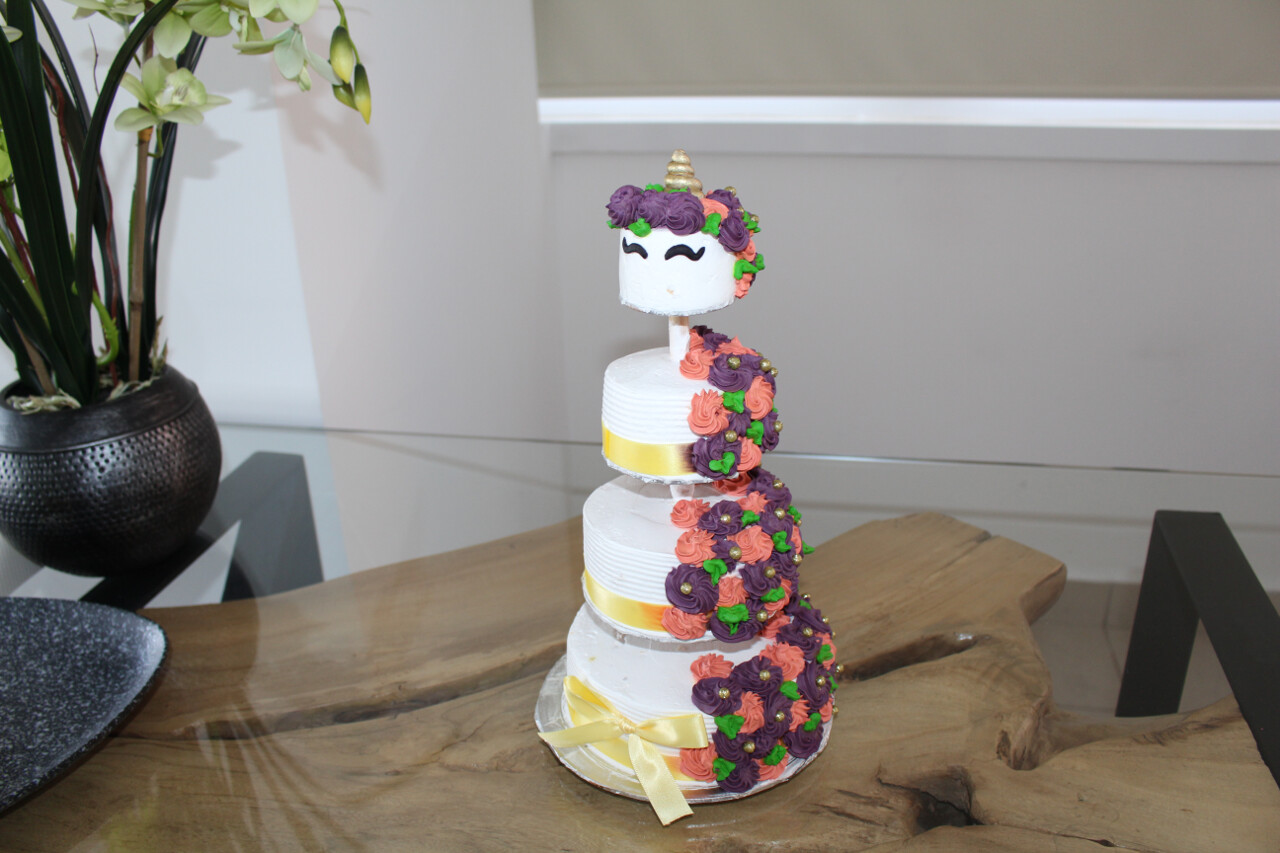
Panaderia or pasteleria is the name for a Mexican bakery or pastry shop. Inside each shop you’ll find a dizzying array of sweets of all shapes, sizes, textures, and colors. This is a great place to grab an incredibly cheap breakfast to go since all the pastries are in the $0.30 to $0.50 price range and fairly substantial in size.


La Casa de Toño Restaurant
We found this restaurant toward the end of our trip and only got to eat there twice. They have several locations across Mexico City offering traditional Mexican favorites at prices not much higher than what we would pay at a street food vendor. Each meal was $6-8 including a beer and dessert.
Each time we dined here, I noticed I was the only white guy out of about 200 patrons in the packed dining room. And this was at their location right in the middle of the downtown tourist area! That’s a good sign a restaurant is authentic and not something catering strictly to the palates of American tourists.


If you enjoy these food pics from Mexico then you’ll have to check out my full in depth article “Eating Our Way Across Mexico” highlighting the culinary delights from our previous trip to Mexico!
Getting To and Around Mexico City
Mexico City is 1,680 miles from Raleigh which means most of the western United States is actually further away from us than Mexico City.
We booked flights to Mexico City on Southwest and Jetblue for a total of 12,700 points per round trip ticket plus about $100 in taxes for each of us. Just a heads up, Southwest has eliminated their Mexico City route as of the end of March 2019 in case you were planning on booking with them.

Once we were on the ground in Mexico City, the transportation costs dropped significantly.
The subway is $0.25 for any distance including unlimited transfers. The train that goes to the very edge of town is $0.15. Local buses are $0.15 to $0.30. The one hour bus ride to the major ruins, Teotihuacan, costs $2.50 each way.
We also Uber’d all over the city for short and long rides. Short rides of a couple miles were $2. Trips between the airport and downtown were $5-6. After visiting the Central de Abastos Market well outside the tourist area, we took a 30 minute ride home from the suburbs during rush hour for $5.
Sometimes we’d take the subway, bus, or train for the long journey across town for mere pennies and then pay $2 for an uber to cover the last mile or two to our final destination. This “public transit plus short uber” trick came in handy when:
- we didn’t feel like walking
- the area is known to be relatively unsafe
- public transit is forecast to be faster than getting stuck in traffic in an uber
If you’re not already using Uber or Lyft, check them out on your next trip (and use those links for free rides to get started).

Safety and Security in Mexico
It’s worth mentioning the safety aspect of travel to Mexico, and more specifically Mexico City. Follow the headlines and you’ll think Mexico is a violent, dangerous war zone best to be avoided. Dig into the stats and travel advisories and you’ll realize that some parts are much more dangerous than other parts.
When looking at lists of “top 50 most dangerous cities in the world”, Mexico City doesn’t make the list but many other cities in Mexico do. But several US cities including St. Louis, Baltimore (BodyMore), Chicago, Detroit, and New Orleans often make the same lists. Do we avoid travel to the US now? Oh crap, I live here!
No. The simple answer: understand the risks and avoid the most dangerous cities and most dangerous parts of those cities.
Here’s a more detailed look at how we analyzed the security situation during our big seven week trip to Mexico several years ago, though the situation is dynamic so it’s likely to have changed since then.
As always, use your travel wits to keep you safe. A few specific tips might be useful:
Do:
- keep your eyes open
- maintain confident body language
- keep valuables like your cell phone and wallet inside a bookbag or purse when you’re in a crowd or boarding a busy subway car
Don’t:
- wander through dark alleys late at night while drunk
- accept drinks from strangers in seedy night clubs
- be a politician, investigative journalist, or drug cartel member (those guys are targets)
Costs for our Eleven Day Vacation in Mexico City
For the two of us, we spent $310 for all food, drinks, groceries, entertainment, admission tickets, ubers, subways, and local and intercity bus and train tickets. Airfare for two was roughly 25,000 frequent flyer points (worth about $400) plus $200 in taxes. Our Airbnb was $748 for 11 nights.
The total for the whole trip comes to about $1,250 for 11 days, or $114 per day for two people.
Since this was a special occasion, we let the spending run wild. Yes, that $1,250 figure is “spending running wild” mode.
We spent at least $20-30 extra per night on lodging to get a sweet upper floor apartment with a view in a centrally located area.
When deciding where to go out to eat, we focused on trying different things in different settings and didn’t worry about the cost. If something looked appetizing we would try it. Though we didn’t drink a ton on this trip, we usually got a beer with our evening meal in a restaurant or bought some at the store to enjoy when we ordered take out to eat at home.
We often spent the $2 on an Uber instead of walking an extra mile or two (after a long day of walking).
If we were trying to do this trip on a shoestring budget, we could probably chop the cost in half. But minimizing cost wasn’t the goal on this trip – it was maximizing fun and relaxation.
One thing that helped us enjoy the trip was the global data plan that comes with Google Fi’s cell service. It’s only $20/month for unlimited voice and text plus $0.01 per MB in almost all countries across the globe. It worked great in Mexico City for summoning Ubers, looking for local restaurant reviews, and getting real time transit directions on the fly. We did all that and used under $1 of data during our 11 day trip.
The best part of Google Fi is you can pause and restart the service as often as you want. Since we travel a lot, I leave the service paused when in the US where I use my regular cell SIM (on Freedompop), then swap the SIM to the Google FI SIM when we go overseas.
Get $20 off Google Fi with my referral link.
Thoughts on Mexico City
I have visited Mexico City several times in the past 20 years for a long weekend, then a week, then two weeks. Add another eleven days to the tally. I guess you can tell I like the city because I keep going back.
My sightseeing wish list is mostly complete after this trip, but there are plenty of places I want to revisit. And several more places that we didn’t have time to visit on this trip!
I think it’s a great city for sightseeing or just to hang out for a bit and enjoy the food and ambiance. We enjoyed a mix of all of that on this trip.
Mexico City is an imperfect but magical place. The air quality is problematic at times due to the 22 million people and the ring of mountains surrounding the Mexico City basin that stifles the free flow of air. Crime, though unnoticeable to us during our trip, remains a problem. Lastly, the poverty of the lower class is omnipresent though they seem to have a thriving middle class in Mexico today.
Most of the tourists we encountered appeared to be domestic tourists from elsewhere in Mexico or from another Spanish speaking country. We didn’t encounter many English speaking tourists while in the city. That wasn’t an issue for us, but something to think about if you don’t speak Spanish and plan to visit. Hint: get the Google Translate app and do some duolingo ahead of time!
Whenever I mention visiting Mexico, it seems like 90% of people assume we are going to one of the beach resort areas like Cancun, Playa del Carmen, Cabo San Lucas, or Puerto Vallarta. I’ve been to several resort areas like that in Mexico and prefer the more native experience in Mexico City. And the weather is better in Mexico City, too.
Would I come back for a fifth visit? Definitely! I love the food and enjoy hanging out in the city. I could easily fill another two week itinerary with more off the beaten path sightseeing.
Want more Mexico travel posts? Here are several articles from the archives:
- Summer In Mexico: The Next Big Adventure
- The Cost of Seven Weeks in Mexico (And How to Minimize it)
- Safety and Security in Mexico
- The Start Of Our Adventures in Mexico
- Exploring Guanajuato, Mexico
- Retiring Abroad – Could We Do It?
- Eating Our Way Across Mexico (<– Epic Food Post!)
- The Gear Post: What We Packed For A Seven Week Trip With Kids
- July 2015 Financial Update – 7 week Mexico travel cost summary included
Have you ever been to Mexico City or elsewhere in Mexico? Do you want to visit the city after reading this post?
Root of Good Recommends:
- Empower Personal Finance Dashboard* - It's the best FREE way to track your spending, income, and entire investment portfolio all in one place. Did I mention it's FREE?
- Interactive Brokers $1,000 bonus* - Get a $1,000 bonus when you transfer $300,000 to Interactive Brokers zero fee brokerage account. For transfers under $300,000 get a 0.333% bonus on whatever you transfer
- $750+ bonus with a new business credit card from Chase* - We score $10,000 worth of free travel every year from credit card sign up bonuses. Get your free travel, too.
- Use a shopping portal like Ebates* and save more on everything you buy online. Get a $10 bonus* when you sign up now.
- Google Fi* - Use the link and save $20 on unlimited calls and texts for US cell service plus 200+ countries of free international coverage. Only $20 per month plus $10 per GB data.
Discover more from Root of Good
Subscribe to get the latest posts sent to your email.
Happy Anniversary to both of you! I have never visited Mexico City mainly because of the crime headings, but after seeing your photos it makes me want to visit the city. Great tips too on how to visit sites and save money at the same time. We love Airbnb’s; and we are staying one night in Rome in a couple weeks using an Airbnb, and pricing is Rome is surprising cheap at $50 a night and some others pricing even cheaper. For us only 7 days until we cast off on our 14 night transatlantic Royal Caribbean Cruise to Rome, and looking forward to it for sure. Thanks again for the travel tips to Mexico City! 🙂
Crime is all relative. You’re very unlikely to suffer physical injury from crime in general, even in safe areas. So if you double or triple a very low probability event, the odds are still very good that you will be fine.
Enjoy your cruise to Rome!
What a monster post! Thanks for the write-up. I’ll have to bookmark this one and consider CDMX next we’re looking to go to Latin America. Did you bring your kids last time? How did that go?
Yes, the kids were with us on the last trip 4 years ago. It was pretty easy overall but there were the typical kid-related issues (accessing bathrooms, picky eaters, not able to relax at a coffee shop/restaurant and linger for a while).
Great trip report. If you watch too much news, you’ll never travel anywhere. I feel safer in Mexico than in Paris (and I’m from Paris…). Use common sense (like don’t go through dark alleys at 2am 90% drunk, 65% naked, asking for the local druglord, flashing an expensive watch, and wearing an SLR camera around your neck). We just returned from Mexico too and we love it…we are going back in June!
You are right. While we were on vacation in Mexico there were so many shootings and killings in our home city and even had one shooting death in our neighborhood (not any neighbors, just a drug deal gone bad I think).
Thanks for this interesting slice of Mexico city. I love those not too sweet Mexican doughnuts del panaderia (what is in those things?) and after my last visit I did buy those jarred nopales and tried to recreate the street tacos but mostly failed. I guess I’ll just have to go back 😉
Oh and happy anniversary, I hope you sprung for those 50 cent roses
Didn’t buy the roses! We only had one day left in the city, otherwise I would have bought them. Easily a $15-20 bouquet in the US with non-Valentine’s Day pricing.
I’ll have to try the jarred nopales to see how they compare to the fresh ones. I’ve tried cooking cactus from scratch and it turned out pretty gross.
Outstanding food pics, and there is no question whether to go with pastries or the regular food – pastries any day of the week!
Interesting museum on the Mexican National Army, although the history must have been pretty short, something akin to:
1. 1847 – we got our butts kicked by the Americans
2. 1862 – we kicked French butt, giving ourselves a holiday every year in May
Great trip; glad you guys had a good time!
You read the captions in military museums? I just look at all the cool guns and cannons!
But yes – interesting military history. When researching the development of the city and how it converted from an island in a lake to the modern day sprawling metropolis, several of the key references I found were US Library of Congress military campaign maps from 1847. The assault on Mexico City involved a long march down the raised causeways into the downtown core which was surrounded by water on all sides. The fort on the edge of the water guarding the city is now squarely in the middle of 10+ miles of land! Pretty insane when you look at those maps and compare it to the footprint of the city today.
I was 100% with until you said the weather was better in Mexico City than on the beach 🙂
In all seriousness, I enjoyed my time in Mexico City, San Miguel de Allende and Guanajuato. Mexico City was chillier than I thought, but granted, I went in November.
If you like Mexico City, you should check out Bogota, Colombia at some point. Great food and culture, chilly weather year round (probably perfect for you 😉 ). About 10 million people so somewhat smaller. Similar issues with pollution, and some poverty despite a solid middle and upper middle class.
It was between 70-80 and dry almost every day during the day. Basically perfect if you’re outside touring around, hanging at a cafe etc and NOT swimming in the ocean or in a pool 🙂 I can see how you might like warmer temps if you’re in and out of the water.
Bogota has been on my list for a while. 🙂 Good to hear your recommendation. Maybe it’ll happen sooner rather than later! When is a good time of year to visit?
70-80 is indeed great for touring around 🙂
For Bogota, I’d avoid December as plane tickets tend to be pretty expensive.
Other than that, any time should be good, temperatures are in the low 60s year round since it’s so close the equator. There are a few rainy periods but those change year to year, and are not easy to predict.
The first 1 or 2 weeks of January could be ideal if flight prices are low enough. Most people are still out of town (seeking warmer than 60s weather), so traffic is better than usual. Might also be a good time to get away from the NC winter and before kids star school?
We will be there for mid to end of May this year if you want/can make it happen sooner than later, not sure if it interferes with your big summer trip, but just a thought 🙂
Good to hear. We’ll see what we can make happen in the future. I’m booked up in late May at Camp FI Midatlantic and want to take it easy before our big trip in June 🙂
You’re making me want to visit for the food alone. Looks like a fun trip! I’d be all over those grasshoppers too. Not a bad view from your apartment either. Whenever we travel and pay the little bit for an upgrade we don’t regret it either – especially at that price.
Yes, the upgraded view was nice! And the grasshoppers!
Looks like a great trip Justin! I’ve definitely got to visit there someday!
So how much would you say the “gringo” price of your trip would be if you didn’t speak spanish? Would it double the cost of food?
Probably double. Unless you can decipher the Mexican language menus or muddle through it. Street food is fairly easy if you’re adventurous. Just point to stuff and ask for uno dos tres or whatever number you want.
Man, you guys had an awesome trip. To me, the best part sounds like leaving the kids at home. You guys are super lucky to be able to do that. We’re stuck with the 3rd wheel for a long time.
The food looks awesome. Mexico city is on my list, but I want to visit Oaxaca first. My wife went there for a class and she loved it.
Oaxaca is great too. It’s a lot smaller than Mexico City but also cheaper. I think Oaxaca has even better food but maybe less variety. Their regional specialties like tamales and mole (the sauce) are delicious. Also the place where we ate at a $2 buffet that had incredible fish soup and the best spaghetti in the world (not hyperbole!).
If you have the time, you could visit both cities. Fly into 1 and out the other. “Only” a six hour bus ride in between the two but the bus is really nice and 1st class and you’ll see some incredible mountain scenery during the bus ride.
Oaxaca was our favorite option in term of food as we found it more authentic and CDMX. For you and your readers here are our best recommendations for Oaxaca: https://www.nomadnumbers.com/cost-of-our-nomad-living-in-oaxaca-city/
I loved it. Definitely a slower pace of life vs CDMX.
Great, now it’s Friday afternoon and I can’t concentrate on work because RoG has posted another hurry-up-and-FIRE-so-you-can-do-this travelog!
A taqueria opened up two miles from us claiming 99% authentic Mexican cuisine. They serve nopales, and sometimes they have tacos de chapulines as a special. We’ve also got a super auténtico pasteleria a mile away; we call it our ‘road trip bakery’ because if we stop there on our way out of town, it’ll last us well past lunch. Guess I never realized how rare these sorts of places are outside the DC area in the States.
We’re looking at ten days in Mérida or Bogotá in January for my 40th birthday. Now we’ve gotta add Mexico City to the ‘maybe’ list. Having been to none of those places, we’re actively soliciting advice and thoughts! I want to eat well, my wife wants to be warm in winter, we don’t want to spend a ton, and we’ve got enough Spanish to get by.
We have a ton of local authentic places in our neighborhood and immediate area. Probably a half dozen panaderia/pasteleria/tortilleria places, plus several authentic Mexican restaurants and a restaurant from almost every country in Latin America. But that’s our immediate area that has a ton of immigrants. Not as common, say, 2 miles away in the “nice” part of town 🙂
Score! Here’s to not living in the nice part of town. ❤️
Wow! That’s indeed a pretty long post (yet a very resourceful one!).
1) Safety – As for safety, I think I the media outlet in the US prefer keeping Americans spending their $ in their country rather than having them going to Mexico. They might then realize that Mexicans are lovely (& usually extremely generous people) and might plan their retirement there. Spoiler: this is already happening with San Miguel de Allende.
2) Noise level – Besides San Miguel de Allende, we felt that Mexico isn’t the best city when it come to build housing that have good thermal and sound insulatio.
So not sure how much better AirBnB you could have get if you wanted to be in a good location.
3) Pollution – That really sucs for CDMX. What level of pollution did you experience during your time there?
I didn’t like San Miguel de Allende that much. It was actually the most noisy place we visited. Fireworks at 6 am 2 blocks from your house will do that 🙂 Maybe it was just the 2 weeks we were there during festival time, but it was crazy loud. I literally thought we were in the middle of a warzone it was so loud. I read in a local magazine that they don’t like tourists saying that it’s too loud because it’s part of their culture. It’s also absolutely overrun with US and Canadian tourists, so I felt like the better restaurants were basically an extension of American cuisine vs good Mexican (though we didn’t go hungry – it’s Mexico after all!!).
As for pollution, it seems to be omnipresent in CDMX. It wasn’t nearly as bad as 20 years ago when we visited a couple of times (black boogers – I know it’s gross but that’s literally what happened. Plus sore throats). They have cleaned up a lot. This time it was noticeable in the smog and reduced visibility. It was also the dry season so some of that might have been dust entrained in the air (which is technically considered a pollutant in the US – small particulate matter). I didn’t have any respiratory problems or symptoms this time around though I imagine prolonged exposure to poor air quality would be bad for health.
Hi Justin – congrats on your 15 year anniversary! Seems to me you had a blast down in Mexico City.
I would love to get away for 11 days without the kids. I believe 5 days is the longest stretch vacationing with my wife without kids.
Who looked after your kids when you were celebrating your anniversary with your wife down in Mexico City?
My parents who live nearby here in Raleigh.
It’s wonderful to be able to rely on family to help out!
Love the pictures of cakes! Got me drooling!
The cakes and pastries are delicious 🙂
Happy Anniversary! I’m glad you enjoyed Mexico City, all that food talk really made me miss it. I’m originally from Coyoacan so if you want some recommendations or anything for your next trip to CDMX or Mexico, in general, let me know. I just moved to Greensboro so maybe you can recommend a good Mexican Restaurant that I can visit in Raleigh.
Hey loving the blog so far. Discovered you from the ChooseFI podcast. Awesome how you met your goal at 33 in 2013. We’re the same age and unfortunately I won’t be FI for another 10 years or so but better late than never. Keep up the great posts.
Glad you found Root of Good and welcome!